Eastman Software Home

Category

Enterprise Strategy

11 articles

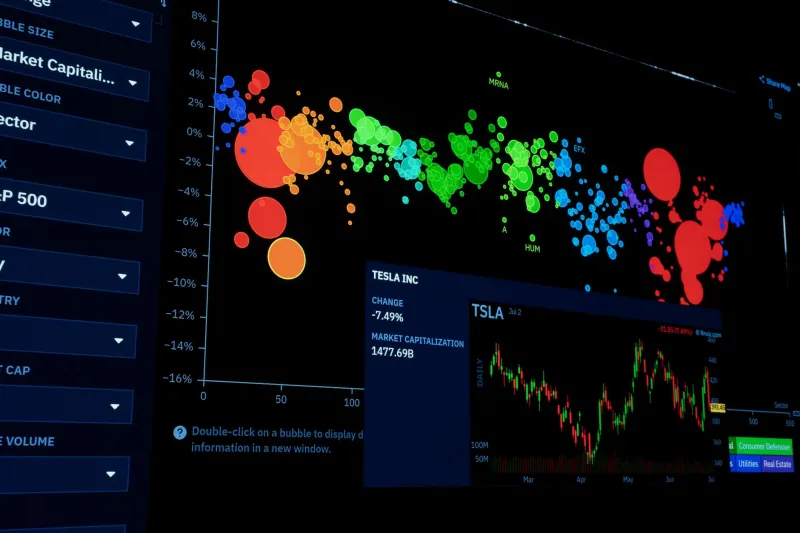
Dashboard Theater: How Enterprise Organizations Mistake Data Collection for Business Intelligence

Dashboard Theater: How Enterprise Organizations Mistake Data Collection for Business Intelligence

Enterprise teams have grown remarkably proficient at generating metrics while remaining curiously disconnected from the outcomes those metrics are supposed to illuminate. When every dashboard looks impressive but strategic decisions remain stubbornly uninformed, the problem is not a shortage of data—it is a fundamental misalignment between what gets measured and what actually drives business value.

The Greenfield Illusion: Why Enterprises Keep Starting Over Instead of Fixing What They Have

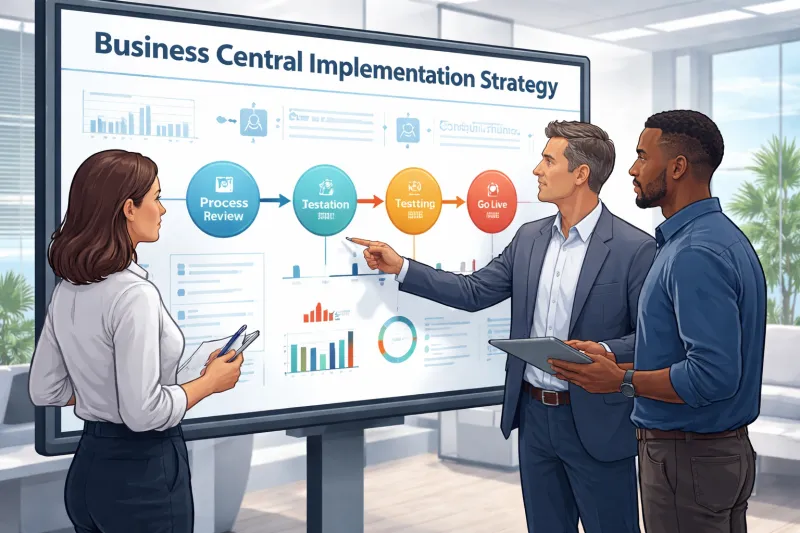
Across the enterprise landscape, a costly pattern repeats itself with striking regularity: teams abandon functional—if imperfect—systems in favor of building something new. This impulse, often framed as modernization, frequently masks deeper organizational dysfunctions and produces outcomes far more expensive than the problems they were meant to solve.

When More Becomes Less: The Enterprise Case for Embracing Software Constraints

When More Becomes Less: The Enterprise Case for Embracing Software Constraints

Enterprise software projects that begin with ambitious customization roadmaps frequently end in budget overruns, delayed deployments, and systems too fragile to adapt. A growing body of evidence suggests that organizations willing to accept platform constraints—rather than engineer around them—consistently achieve faster time-to-value and lower total cost of ownership.

Structural Rot Beneath the Surface: How Outdated Database Architecture Is Quietly Bankrupting Enterprise IT Budgets

Structural Rot Beneath the Surface: How Outdated Database Architecture Is Quietly Bankrupting Enterprise IT Budgets

Across industries, enterprise organizations are discovering that the database decisions made a decade ago are now the single greatest obstacle to cloud adoption, real-time analytics, and competitive agility. What began as pragmatic shortcuts has compounded into six-figure remediation projects and stalled digital transformation roadmaps. Understanding how database debt accumulates — and how to address it without burning everything down — has become a defining challenge for enterprise IT leadershi

What CFOs Don't See Is Costing Them Millions: The Financial Case for Code Quality in the Enterprise

What CFOs Don't See Is Costing Them Millions: The Financial Case for Code Quality in the Enterprise

Technical debt rarely appears on a balance sheet, yet its consequences show up everywhere—in delayed product launches, spiraling maintenance costs, and engineering teams stretched past the breaking point. For enterprise CFOs willing to look closely, the financial exposure hidden inside aging, poorly maintained codebases is both measurable and preventable. This article translates the developer's daily struggle into the language of the boardroom.

Automated Into a Corner: How Enterprise Compliance Systems Became Their Own Worst Enemy

Automated Into a Corner: How Enterprise Compliance Systems Became Their Own Worst Enemy

Enterprises invested heavily in compliance automation to eliminate manual overhead and reduce human error, but many have discovered their purpose-built systems are now more hindrance than help. As regulations evolve faster than rigid automation frameworks can adapt, security and compliance teams find themselves managing two problems simultaneously: the original regulatory burden and the brittle infrastructure they built to address it. This article examines how that paradox formed and what it tak

More Signals, Less Clarity: How Enterprise Observability Strategies Are Failing at the Worst Possible Moment

More Signals, Less Clarity: How Enterprise Observability Strategies Are Failing at the Worst Possible Moment

Enterprise organizations are spending millions on monitoring infrastructure yet still find themselves scrambling when critical systems degrade. The problem is not a lack of data—it is a fundamental misalignment between what gets collected and what actually drives informed decision-making. This article examines why observability investments so frequently miss the mark and what a more intelligent approach looks like in practice.

Blind Spots in the Machine: How Enterprises Are Losing the Battle for Production Visibility

Blind Spots in the Machine: How Enterprises Are Losing the Battle for Production Visibility

Enterprises spend millions on monitoring dashboards and alerting tools, yet still find themselves scrambling when production systems fail in ways no one anticipated. The gap between what organizations think they can see and what is actually happening inside their distributed architectures is wider than most technology leaders realize. Understanding that gap—and closing it—requires a fundamental rethinking of how enterprises approach system visibility.

Zero-Trust Is Not a Product You Install: What Enterprise Security Leaders Keep Getting Wrong

Zero-Trust Is Not a Product You Install: What Enterprise Security Leaders Keep Getting Wrong

Zero-trust has become one of the most cited — and most misunderstood — frameworks in enterprise security. Despite widespread adoption of the terminology, a significant number of large organizations are implementing zero-trust principles in ways that create false confidence while leaving critical vulnerabilities unaddressed. Security leaders who understand the distinction between genuine zero-trust architecture and its pale imitations will be far better positioned to protect their organizations i

Fragmented Data, Fractured Decisions: The Silent Threat Undermining Enterprise Intelligence

Fragmented Data, Fractured Decisions: The Silent Threat Undermining Enterprise Intelligence

Across American enterprises, critical business decisions are being made on incomplete, siloed data—often without leaders even realizing it. The consequences range from missed market opportunities to serious compliance exposure. This investigation examines why data fragmentation has become one of the most underestimated strategic risks facing organizations today.